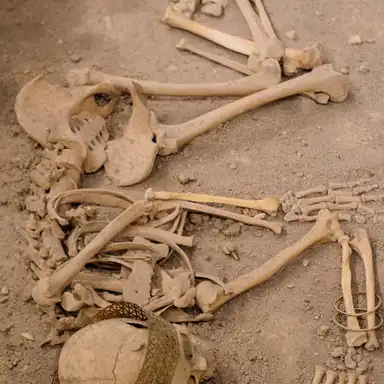
The 2025 Scientific Summit in Milan, Italy, emerged as a pivotal event, bringing together experts and representatives from 16 nations. This significant gathering was co-hosted by the Defense POW/MIA Accounting Agency (DPAA) and the University of Milan's Laboratory of Forensic Anthropology and Odontology (LABANOF). Held from September 17 to 19, the summit aimed to enhance collaboration and share cutting-edge advancements in DNA analysis and identification techniques.
A key highlight of the summit was the presentation by Italian Air Force Col. Gerardo Contristano. He delved into the legal, methodological, and ethical dimensions of recovering World War I soldiers' remains from the Alps. This session underscored the ongoing efforts to recover and identify missing service members, aligning with the core mission of the DPAA.
Dr. Carrie LeGarde, a forensic anthropologist with the DPAA, tackled the complexities of managing commingled human remains. Her presentation emphasized the critical role of scientific recovery methods in resolving such cases, reinforcing the summit's focus on advancing identification processes.
Another significant discussion was led by Dr. Debra Prince Zinni, the DPAA's laboratory director. She elaborated on the challenges associated with transporting human remains across international borders. Her insights into international collaboration highlighted the summit's role in strengthening global partnerships.
Participants were also afforded the opportunity to explore the CA’Grande Tour and the University of Milan's historical medical crypt and scientific archives. These visits offered a unique perspective on the intersection of history and modern forensic science, complementing the summit's objective of fostering a collaborative environment for sharing ideas and innovations.
Strengthening Global Partnerships
The summit served as a crucial platform for networking and exchanging ideas among international experts, emphasizing the importance of global partnerships in forensic anthropology and odontology. By integrating diverse perspectives, the event aimed to enhance current identification methods and address the challenges faced in the field.
The DPAA's unwavering commitment to accounting for the nation's missing service members was a recurring theme throughout the summit. The agency's efforts to keep families informed and involved were prominently highlighted, showcasing the human impact of these scientific endeavors.
As the summit drew to a close, participants expressed optimism about the future of forensic science and its potential in solving historical mysteries. The collaborative spirit nurtured during the event is anticipated to lead to significant advancements in identification techniques and international cooperation.